

The Ultimate Guide to Packing Plastic-Free, Healthy School Lunches
School is back and that means many of us are back at packing school lunches again and for me that means I’m packing a plastic-free and healthy school lunches. Packing a fun, healthy, and zero-waste lunch can be tricky and requires a bit of creativity.
In this guide, we will explore various strategies and tips to help parents pack nutritious, plastic-free lunches that are not only healthy but also appealing to children. We will delve into the benefits of choosing whole foods, provide recipes, and suggest creative packing ideas to ensure your child’s lunch is both enjoyable and environmentally friendly.
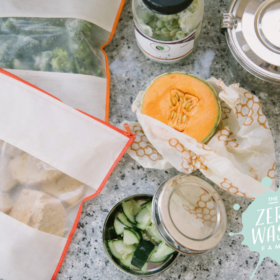
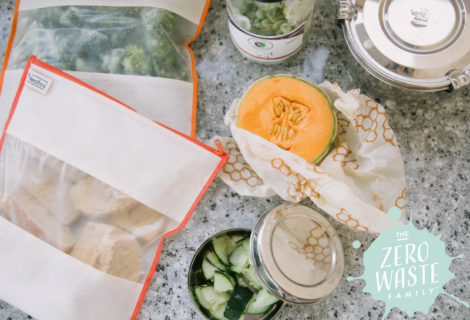
Transitioning to a plastic-free lunch may seem daunting, but small changes can make a significant difference. Start by gradually replacing single-use items with reusable alternatives. For instance, instead of plastic wrap, use silicone lids or beeswax wraps to cover food. By making these changes, you not only reduce waste but also foster a healthier eating environment for your children.
All over the world, convenience is generating massive amounts of waste. Many families have come to rely on single-use products—most of them individually wrapped for school lunches. While it seems time-saving to use plastic bags, aluminum foil, wax paper, or single-serving packaged snacks, the environmental cost is huge. Landfills are overflowing with convenient, single-use packaging.
Creating a balanced lunch involves considering the food groups. Aim for a variety of colors and textures, which can make meals more inviting. For example, pack colorful bell peppers, cherry tomatoes, and cucumber slices alongside whole grain pasta. This not only enhances the visual appeal but also ensures a range of nutrients are available.

When preparing warm meals, consider the use of thermoses. They are excellent for soups, stews, and healthy grains. For example, a hearty lentil soup can be packed in a thermos to keep it warm until lunchtime. Pair this with whole grain bread or crackers for a filling meal. The key is to experiment with different cuisines and flavors to keep your child excited about lunchtime.
Including dips can also make lunches more enjoyable. Pack hummus, guacamole, or yogurt-based dips alongside cut veggies or whole-grain pita chips. This not only adds flavor but also encourages kids to munch on their vegetables. Remember, presentation matters; using fun containers and colorful arrangements can entice your child to eat healthier.
Packing a zero-waste and healthy lunch for your children might take a little practice, but it is completely doable and does not have to be time-consuming and best of all, it saves you money. Here is how I pack my kids’ school lunches five days a week:
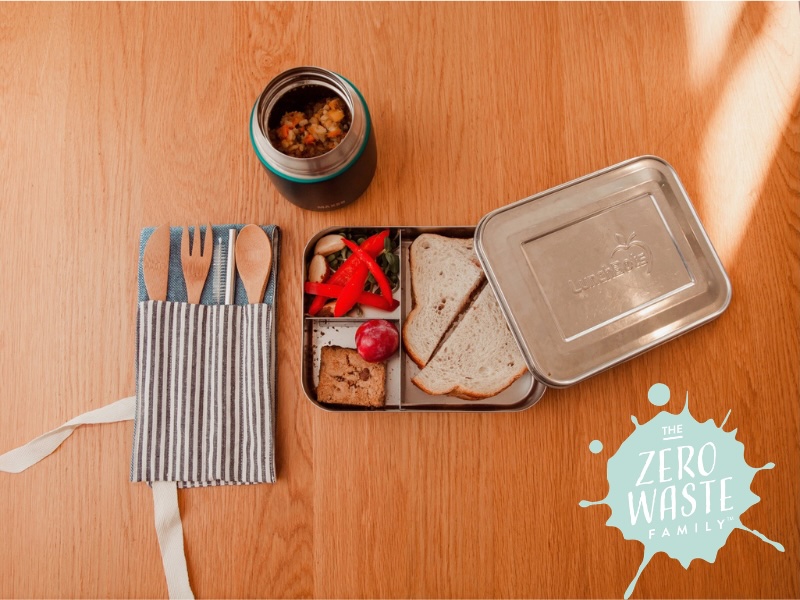
The Essentials: Reusable Gear First, I always use a reusable bento box or thermal soup container for my kids’ food, send water in a reusable metal bottle, and pack cloth napkins with bamboo cutlery. If I need to wrap an item, I use a cloth sandwich or reusable bag or beeswax wrap instead of plastic. Everything goes into a backpack or an insulated lunch bag. When we lived in a warm climate (San Diego), I also added an ice pack to keep things fresh.
The Food: Fast, Healthy, and Vegetarian For the main meal, I pack warm dishes like soup, udon noodles, pasta with tomato sauce, or dhal. On other days, I send a hummus and veggie sandwich or a Tofurky sandwich on whole wheat bread with a side of potato salad. Because my kids are vegetarian, making extra dinner or lunch the night before saves me tons of time—all I have to do in the morning is reheat the leftovers and transfer them to a thermal container.
Along with the main dish, I include simple sides like:
- Crackers or whole-grain bread
- Apple slices with almond butter or fresh grapes
- Carrot sticks with hummus
- A small sweet treat, like a homemade homemade larabar
For drinks, consider including infused water options. Adding slices of cucumbers, strawberries, or mint can make plain water much more appealing. Additionally, homemade smoothies can be packed in insulated containers for a nutritious, refreshing option. This not only helps hydrate but also adds another layer of nutrition to their lunch.
Being mindful of the food you pack is essential to minimizing waste. If you notice certain items come back uneaten, try adjusting your choices. Encourage your kids to be part of the planning process—let them choose their sides or snacks for the week. This engagement can lead to them being more excited about their lunches and reduce the chances of food waste.
For families looking to go the extra mile, consider involving your kids in food preparation. This could be as simple as washing veggies or making homemade snack bars together. Not only does this teach them valuable skills, but it also helps them appreciate the effort that goes into their meals, fostering a greater love for healthy eating.
Remember that packing lunches is an opportunity to teach your children about sustainability and nutrition. Use this time to explain why you choose certain foods or packaging methods. This education can have a lasting impact, guiding them toward healthier choices throughout their lives. The goal is not just to feed them but to nurture informed, healthy, and environmentally conscious individuals.
For drinks, my kids prefer plain water with their meals and they all have their own hydro flask which keeps water cold.
Minimizing Food Waste A key part of zero-waste packing is cutting down on food waste itself. Pay attention to what your kids actually eat and avoid overpacking. That way, food doesn’t end up tossed in the trash at the end of the day. Here are some of my kids favorite homemade food and snacks for packed lunches.
The Ultimate Guide to Packing Plastic-Free not only provides practical tips but also encourages you to be a role model for your children. Show them the impact of their choices, and help them build habits that contribute to a healthier planet. Together, you can embark on this journey toward sustainability, making each lunch a step toward a brighter future.
The Bottom Line Packing zero-waste lunches that are healthy and appealing takes a bit of thinking outside the (lunch)box. But the payoff is huge: you’ll save money, keep your kids nourished, and protect the planet all at once.
As you continue on this journey, celebrate the small wins. Maybe your child starts eating more vegetables or shows interest in trying new foods. Each step forward is a victory in establishing a healthier lifestyle. The more support and enthusiasm you show, the more likely your kids are to embrace these changes.
What is your favorite packed lunch tip?

Are you ready to cut costs, reduce waste, and live a more intentional life?
In my new E-Book Eco Savings, discover how our family of four saves over $18,000 every year by adopting a zero-waste lifestyle. This guide emphasizes that sustainable living is about making choices that benefit both your budget and the planet. Learn practical tips for embracing eco-friendly habits without breaking the bank.
Instead of sacrifice, our journey toward low-waste, eco-friendly living brought us financial freedom, a clutter-free home, and a deeper connection to the world around us. By choosing to live a life that respects the environment, you can inspire others to do the same and create a ripple effect of positive change.