

How to Freeze Food Without Plastic: 6 Simple, Eco-Friendly Alternatives
Saying goodbye to old plastic containers, Tupperware, and single-use freezer bags is one of the most rewarding steps in reducing household waste. However, the freezer is often the hardest place to eliminate plastic entirely. “What else am I supposed to freeze food in?” is a question many people ask.
The good news? Finding healthy, eco-friendly ways to freeze food without plastic is much easier than you think. In fact, you likely already own most of the alternatives.
Why You Should Stop Freezing Food in Plastic
Swapping out plastic bags and containers isn’t just better for the environment, it’s better for your health. I have written many posts about the important of reducing plastic in our lives, but basically plastic harms the planet, environment and humans from extraction, to production, to when we use it and finally when we discard it.
- Chemical Leaching: Toxic chemicals (especially bisphenols like BPA and phthalates) can leach from plastic into your food, even in cold temperatures.
- Environmental Impact: Single-use plastic wrap (cling film) and worn-down freezer bags go straight to the landfill. Even recyclable plastic eventually degrades to a point where it can no longer be processed, contributing to global plastic pollution.
Switching to plastic-free freezer storage requires only a small shift in habits, but delivers a huge win for zero waste living.
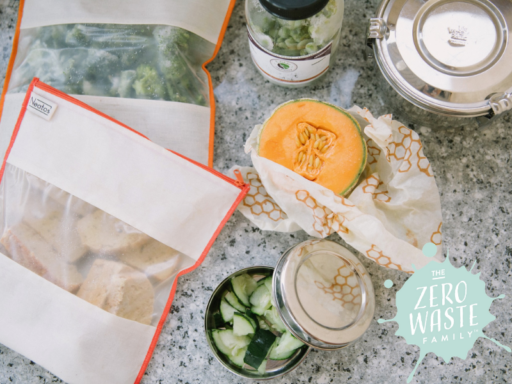
6 Easy Ways to Freeze Food Without Plastic
1. Glass Jars and Containers
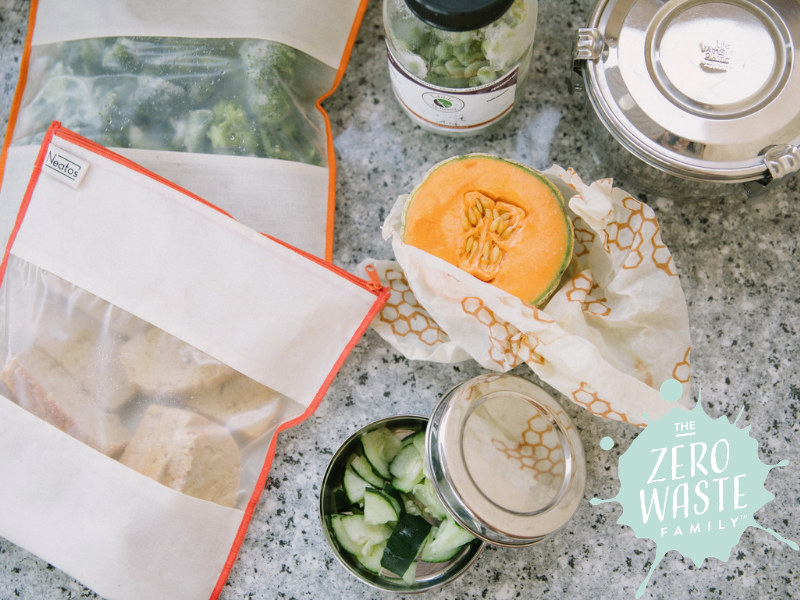
I always say that when you try to live sustainable and with as little waste as possible you kind of become a hoarder of glass jars. Freezing food in glass is completely safe and won’t cause cracking if done correctly. In general you do not have to but glass jars since many people often will happily gift them to you. Just ask around. When filling up glass jars make sure to leave some room for the food or liquid to swell to make sure the glass jar does not explode in the freezer.
- How to do it: Always leave 1–2 inches of headspace at the top of the jar, as liquids expand when they freeze.
- Best for: Soups, stews, sauces, bulk items, beans, tomato sauce and pre-prepped lunches.
- Pro-tip: Mason jars or upcycled glass sauce jars are portable and double as zero-waste shopping containers for bulk coffee, nuts, or deli items on your way home. We use them to make mason jar meals to we can take on the go. Since they are glass they can be heated up.
2. Linen and Cotton Towels
Skip the plastic bread bags and reach for natural fabrics instead.
- How to do it: Wrap your loaf tightly in a clean linen or cotton dish towel before placing it in the freezer.
- Best for: Freshly baked bread and baked goods.
- Pro-tip: Slice your bread before wrapping so you can pull out individual slices as needed without thawing the whole loaf.
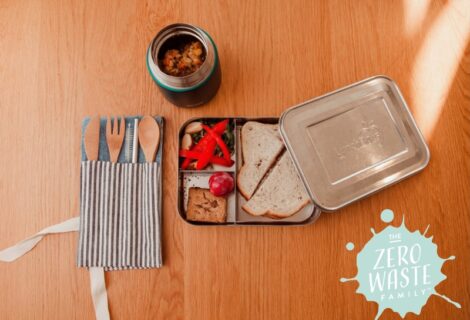
3. Stainless Steel Containers
Stainless steel is one of the most durable plastic-free alternatives available and one our favorite ways to store and freeze food because they are so durable and pretty light.
- Benefits: It won’t leach chemicals, is virtually indestructible, and allows you to thaw food directly in the oven (with the lid removed).
- Best for: Prepped meals, leftovers, berries, bananas, beans and much more.
4. Freezer-Safe Paper Wrap
Uncoated butcher paper or unbleached parchment paper works well for short-term freezing.
- How to do it: Wrap items tightly in multiple layers of paper. The more layers you use, the better protected your food will be against freezer burn.
- Best for: Short-term storage (2–3 weeks) of solid items like cheese or baked goods.
5. Silicone Trays and Bags
Food-grade silicone is a safe, flexible alternative to traditional plastic.
- Benefits: It is non-toxic, highly temperature-resistant, and reusable indefinitely.
- Best for:
- Baby food: Freeze small portions in silicone ice cube trays, then transfer them to glass jars once solid.
- Herbs: Freeze fresh herbs in olive oil directly in ice cube trays for quick cooking bases.
- Broth: Freeze portioned stocks and broths for easy recipe additions.
- Pesto: make portion size pesto which will not spoil as fast as in the fridge
- Tomato sauce: I freeze tomato sauce in larger cubes which can be added to soups and stews or I defrost for pasta sauce.
Creating a plastic-free freezer doesn’t require buying expensive new gear overnight. Start small by reusing glass jars you already have and wrapping bread in cloth. Over time, these small shifts will lead to a healthier, zero-waste kitchen.

What to learn more ways to reduce plastic and waste and save money in the process? Check out my new Ebook, Eco Savings
LIVE LIGHTER. SPEND SMARTER. MAKE A DIFFERENCE.
In Eco Savings, discover how our family of four saves over $18,000 a year by embracing a zero-waste lifestyle. Far from being a sacrifice, sustainable living has brought this family financial freedom, less clutter, and a deeper connection to the world around them.